
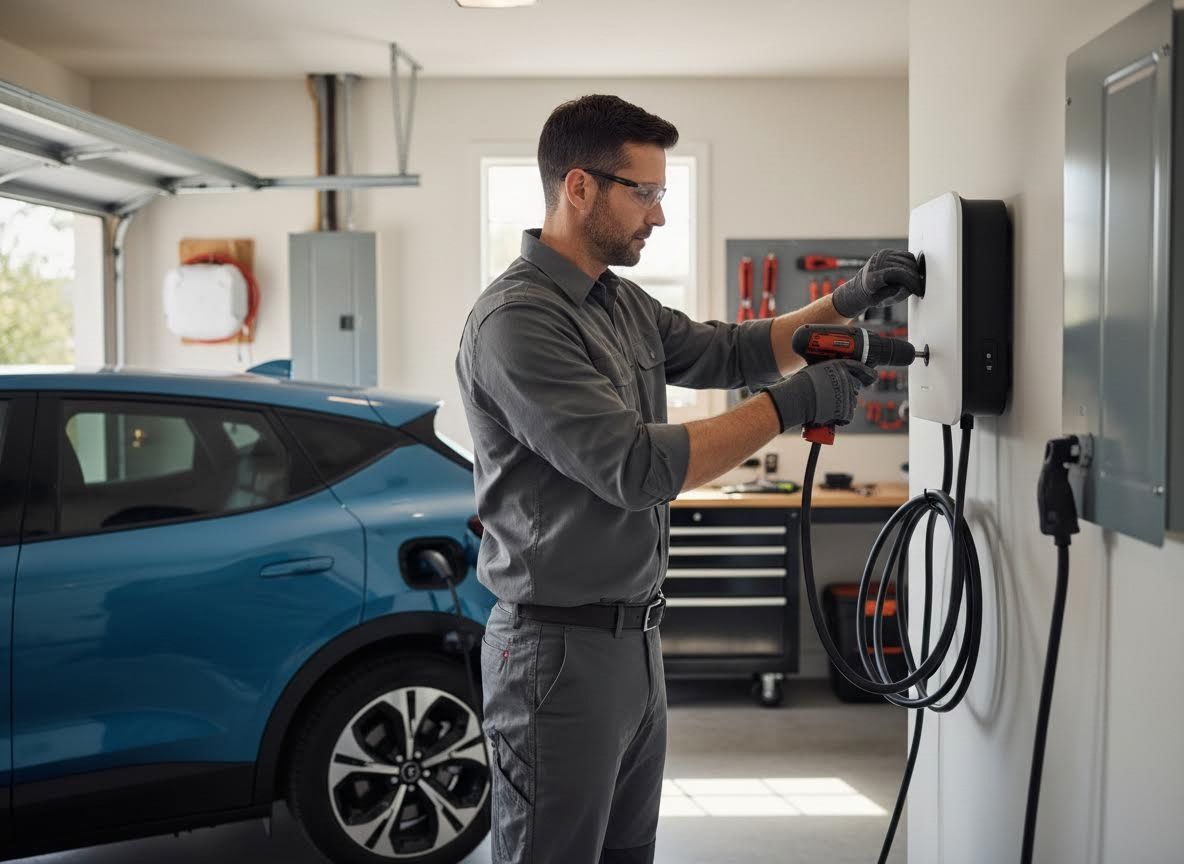
The transition to an electric vehicle (EV) marks an exciting step towards a more sustainable future, bringing with it the convenience of fueling up right in your own garage. For many new EV owners, understanding the ins and outs of home charging installation can feel daunting, but it doesn't have to be. Applied Electric Inc. is here to demystify the process, ensuring a seamless and efficient integration of your new EV charger into your daily life. This guide will walk you through the essential considerations for setting up your home charging station, from selecting the right charger to preparing your home’s electrical system.
Understanding EV Charger Levels for Your Home
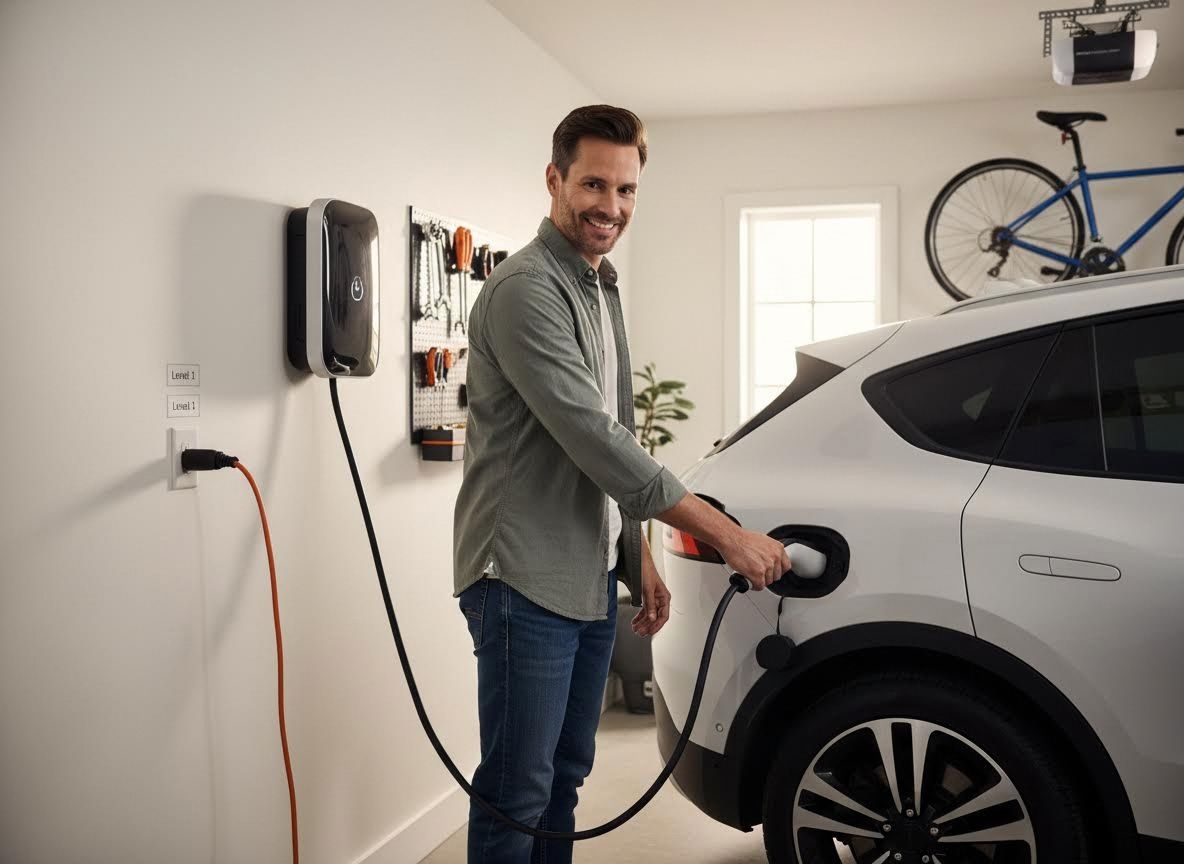
When considering a home EV charger, you'll primarily encounter two types: Level 1 and Level 2. Level 1 chargers use a standard 120-volt outlet, like those found throughout your home. They are simple to use and require no special installation, but they charge very slowly, typically adding only 2-5 miles of range per hour. For most EV owners looking for practical daily charging, a Level 2 charger is the preferred solution. These operate on a 240-volt circuit, similar to an electric dryer or oven, and can add 12-60 miles of range per hour, significantly reducing charging times. While DC Fast Charging exists, it's generally reserved for public or commercial use due to its high power requirements and cost, making Level 2 the optimal choice for residential charging.
Assessing Your Home's Electrical Capacity
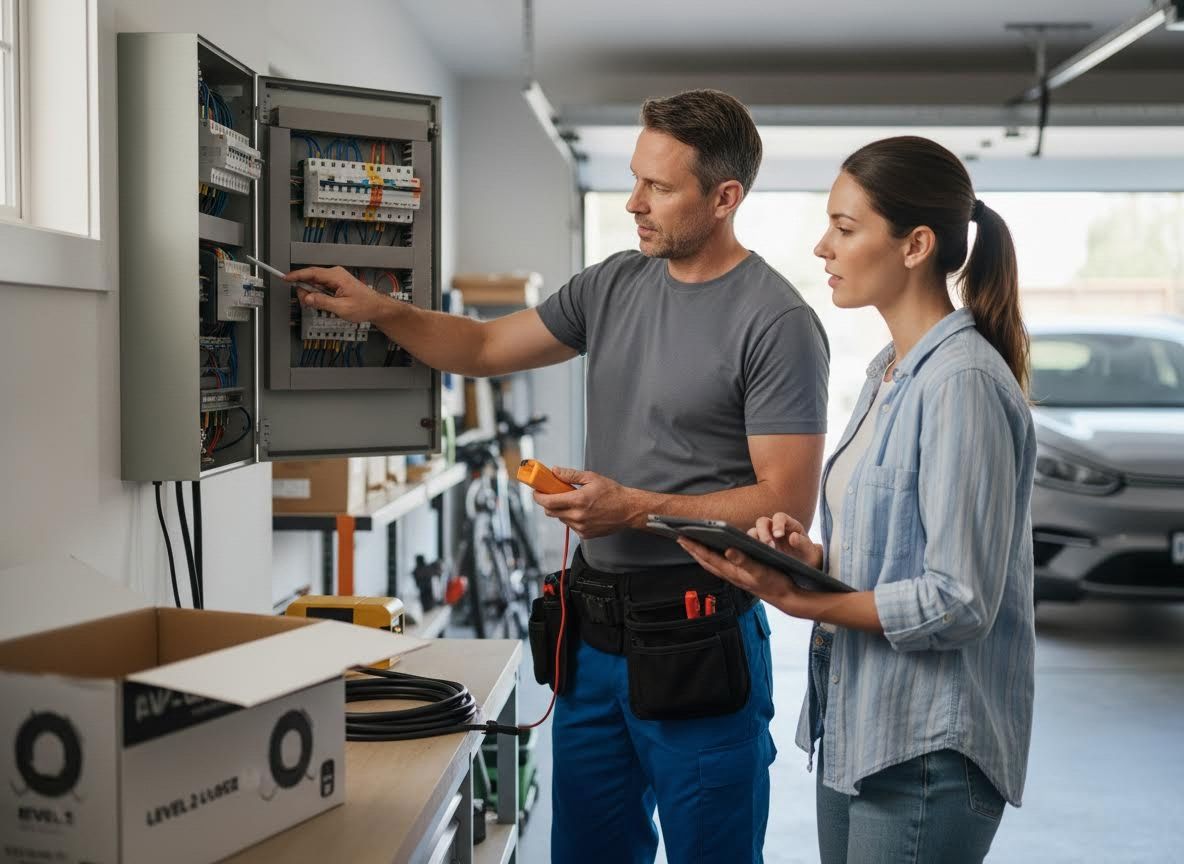
Before installing a Level 2 EV charger, a critical first step is to assess your home's current electrical system. Your existing electrical panel must have sufficient capacity to safely accommodate the increased load of an EV charger without overloading the system. Many older homes, or homes that haven't had recent electrical upgrades, may require a service change or a panel upgrade to support a dedicated 240-volt circuit for the charger. This is where a professional residential electrician becomes indispensable. They will evaluate your current panel, wiring, and overall electrical infrastructure to determine what modifications, if any, are necessary to ensure a safe and reliable EV charger installation. This thorough assessment prevents potential hazards and ensures compliance with local electrical codes.
The Professional EV Charger Installation Process
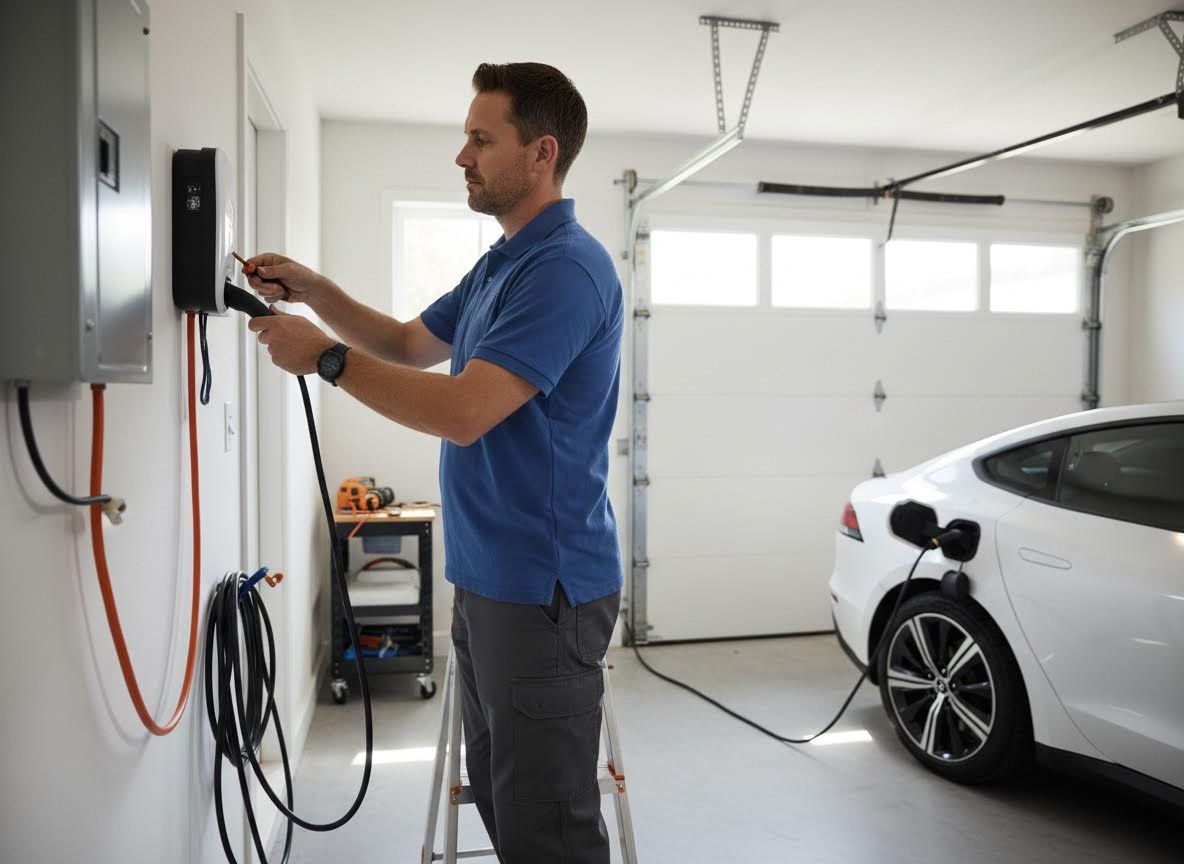
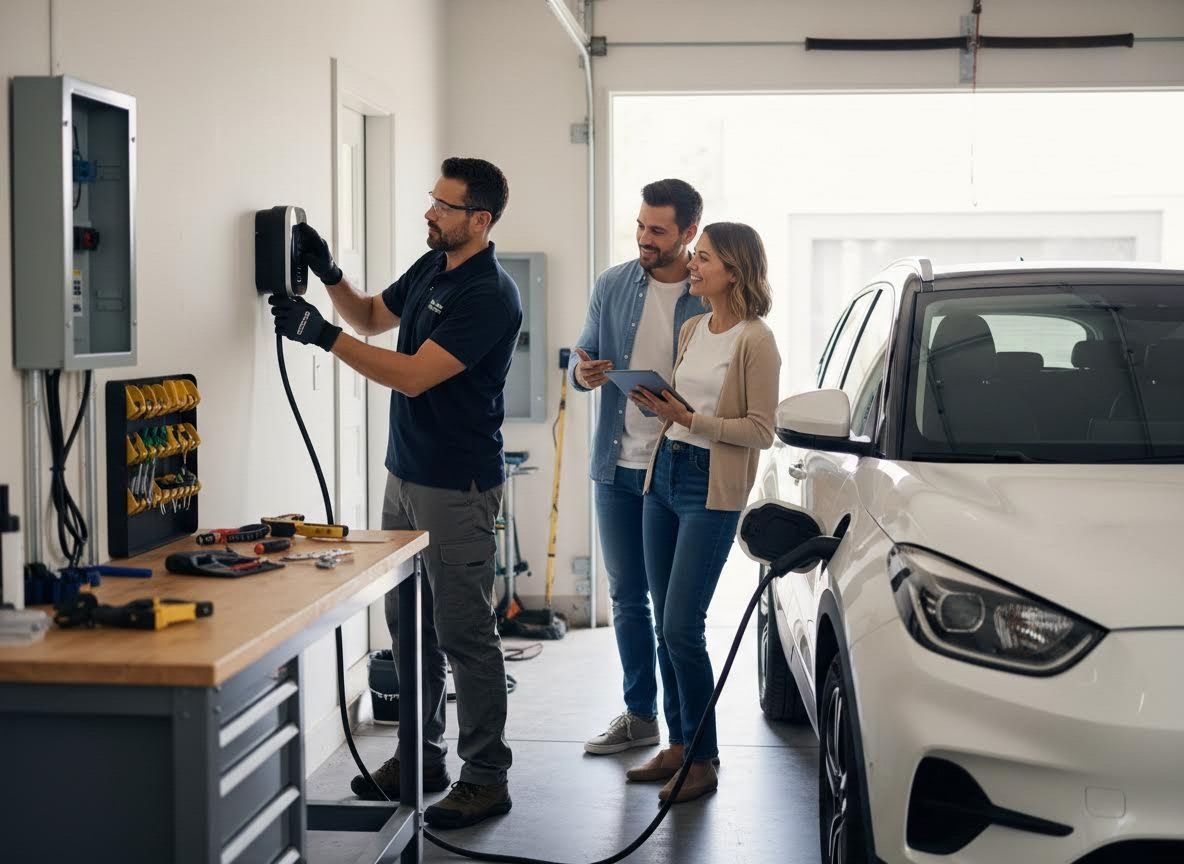
Once your home's electrical capacity is confirmed, the installation of your EV charger can proceed. This process typically involves installing a dedicated 240-volt circuit from your electrical panel to the desired charging location, often in your garage or driveway. A qualified electrician in the Denver Metro area will handle all aspects of the installation, from running new wiring and installing a circuit breaker to mounting the charging unit and conducting final safety tests. They will also ensure that all work adheres to National Electrical Code (NEC) standards and any local regulations. Opting for professional EV charger services guarantees not only the efficiency of your charging station but also the long-term safety and integrity of your home's electrical system, especially if the project involves any significant electrical remodeling.
Your Trusted Partner for Home EV Charging
Installing an EV charger is an investment in convenience and the future of transportation, but it requires careful planning and expert execution. By understanding the different charging levels, assessing your home's electrical system, and entrusting the installation to a qualified professional, you can enjoy seamless and efficient home charging. Applied Electric Inc. is a trusted electrician in the Denver Metro area, specializing in residential and commercial electrical solutions, including comprehensive EV charger services. For more information on how we can help you power your electric vehicle at home, or to schedule a consultation, contact us today to get started!